Cat on Design Embroidery Review
First Impressions of Cat on Design
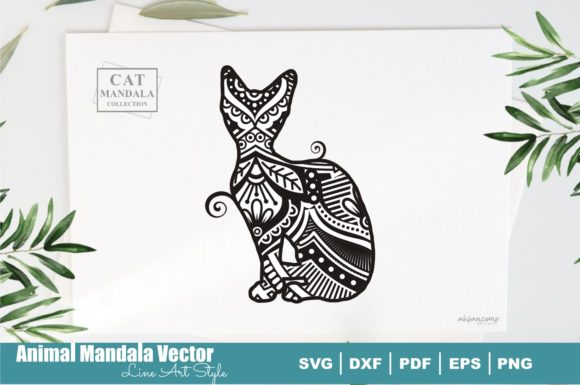
At first glance, Cat on Design feels playful yet refined. The design captures the essence of a cat with a clean, stylized silhouette that's both recognizable and charming. It has a soft, approachable vibe that makes it ideal for a variety of embroidery projects. The layout is balanced, with enough detail to give it character without overwhelming the fabric. I can see this design working well on a range of products from personalized gifts to boutique merchandise.
The vector-based format in 100% CMYK color mode ensures vibrant colors that translate well to embroidery thread palettes. This flexibility is a big plus for anyone looking to customize the design for different fabric types or brand identities. The high-resolution PNG and JPG files are also useful for digital mockups or printable previews, which is great for Etsy sellers or craft fair product displays.
Real-Life Scenario: Custom Embroidered Tote Bag
Let’s imagine using Cat on Design for a custom embroidered tote bag. This scenario helps test how the design performs in real-world conditions. The tote would be a popular item for a handmade shop or small business, especially around holidays or as a branded gift.
When I visualize the cat design stitched onto a cotton canvas tote, it looks lively and eye-catching. The clean lines and minimalistic details ensure that the embroidery doesn’t feel cluttered. However, I’d want to check the stitch density and thread contrast to make sure the image remains clear and sharp. If the background fabric is light, using darker thread colors could enhance the design's visibility.
I’d also consider the hoop size needed to accommodate the design. Since the file comes in AI and EPS formats, it should be easy to scale up or down depending on the project. Testing it on scrap fabric first would help determine if any adjustments are needed for stitch coverage or placement.
Where Cat on Design Shines
Cat on Design works particularly well for custom apparel like sweatshirts, t-shirts, and caps. Its simplicity allows it to blend seamlessly into both casual and more formal garments. For example, a baby onesie with this design could add a whimsical touch without being too busy. It also fits nicely as an embroidered patch or applique design on aprons, pillow covers, or even kitchen towels.
This design has a versatile appeal that makes it suitable for holiday gifts, wedding favors, or nursery decor. Its friendly and approachable nature adds a personal touch to handmade products, making it a great choice for small shop owners or Etsy sellers looking to offer unique items.
In commercial embroidery settings, the design’s clarity and adaptability are assets. Whether used for boutique branding or as part of a larger collection of design assets, Cat on Design can easily integrate into various product lines while maintaining a consistent visual identity.
Areas to Use with Caution
While Cat on Design is a solid choice for many projects, there are some considerations when applying it to specific materials or surfaces. On small hoop sizes, the design might lose some of its detail, so it’s important to review the stitch count and density before finalizing the embroidery setup.
Textured fabrics or stretchy materials may require additional stabilizer to prevent distortion during stitching. Similarly, dark fabric backgrounds might challenge the visibility of the design unless the thread colors are carefully chosen. When using the design on curved surfaces like caps or hats, adjusting the placement and ensuring even stitch coverage becomes crucial.
For products that undergo frequent washing, like tote bags or aprons, using quality thread and proper finishing techniques will help preserve the design’s appearance over time.
Design Notes for Embroidery Professionals
If you're planning to use Cat on Design in your next project, here are a few practical tips:
- Test on Scrap Fabric: Always do a test run on scrap fabric to evaluate how the design stitches and whether any adjustments are needed.
- Check Thread Contrast: Ensure the thread colors stand out against the fabric background, especially on dark or textured materials.
- Review Stitch Density: Adjust the stitch density to avoid overcrowding or under-stitching, depending on the fabric type.
- Confirm Hoop Size: Make sure the hoop size matches the design’s dimensions to avoid stretching or distortion.
- Inspect Small Details: Look closely at intricate parts of the design to ensure they remain clear after stitching.
- Test in Black and White Mockups: This helps assess how the design translates to different color schemes and fabric types.
- Use Proper Stabilizer: Especially important for stretchy or thin fabrics to maintain the design’s integrity.
- Check Licensing: Before selling finished items or digital products, confirm the licensing terms to avoid any legal issues.
By taking these steps, you can ensure that Cat on Design performs well across a wide range of embroidery projects, from personal use to commercial applications. Its versatility and ease of modification make it a valuable addition to any designer’s portfolio or small business inventory.