Leopard Digital Papers Review for Embroidery Projects
A First Look at Leopard Digital Papers
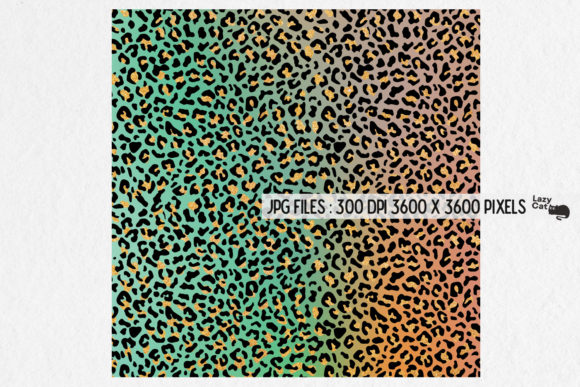
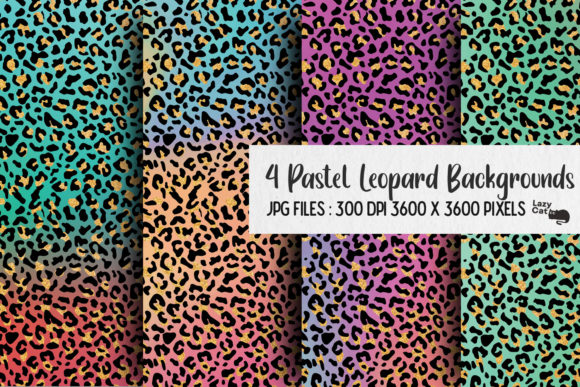
When I first saw Leopard Digital Papers, I was immediately drawn to its bold, wild aesthetic. The design has a confident, almost untamed energy that screams adventure. It’s not the kind of pattern you’d use for a baby onesie or a minimalist tote—it’s more suited for statement pieces where the leopard print can really shine. The layout is clean but layered, with enough detail to give it depth without overwhelming the eye.
The 300 dpi resolution and 3600x3600 pixel size mean this isn’t a low-res clip art file. It’s built for clarity, whether you’re using it in a digital mockup or planning to stitch it out on fabric. But how does it translate to real embroidery work?
Testing Leopard Digital Papers in Real Projects
I decided to test Leopard Digital Papers on a custom embroidered tote bag. The goal was to see if the design would hold up under different fabric types and stitching techniques. I used a medium-weight cotton canvas, which is a common choice for tote bags and offers good stability for machine embroidery.
The design itself is a great fit for custom apparel and tote bag design. The leopard pattern has a nice balance between intricate detail and open space, making it ideal for satin stitch and fill stitch applications. I found that the larger shapes stitched smoothly, while the smaller details required a bit more attention to ensure they didn’t get lost in the fabric texture.
For handmade product creators, especially those selling on Etsy or at craft fairs, this design adds a touch of luxury and uniqueness. It works well as an embroidered patch or as part of a larger applique design on sweatshirts, caps, or even holiday gifts.
Where Leopard Digital Papers Shines Best
Leopard Digital Papers is perfect for commercial embroidery projects where visual impact matters. Think boutique branding, small shop product lines, or craft business items like pillow covers, aprons, and kitchen towels. It’s also a strong candidate for personalized gifts—especially when paired with a subtle background or text overlay.
It pairs particularly well with light-colored fabrics, where the contrast between the leopard print and the background is most effective. However, I noticed that on dark fabric, the design loses some of its vibrancy unless you adjust thread colors carefully.
Design Considerations and Practical Notes
If you're planning to use Leopard Digital Papers in your next project, here are a few practical tips:
- Test the design on scrap fabric before committing to a full project. This helps identify any issues with stitch density or small details that might be hard to see on the final product.
- Check thread color contrast. The design may look one way in digital form, but on fabric, the right thread choice can make all the difference.
- Review stitch density. While the design has enough detail to be engaging, too many stitches in tight areas can cause puckering or fabric strain.
- Confirm hoop size and ensure your machine can handle the dimensions of the design without distortion.
- Inspect small details closely, especially if you plan to use the design on tiny lettering or decorative accents.
- Use proper stabilizer, especially on stretchy or thin fabrics, to keep the design from shifting during stitching.
Also, remember to check the licensing terms before selling finished products or digital embroidery files made from this design. As a crafts creator, ensuring you have the right to use and resell the design is crucial for your small business or Etsy seller endeavors.
Final Thoughts on Leopard Digital Papers
Leopard Digital Papers is a versatile and visually striking option for a wide range of embroidery projects. Whether you're creating custom apparel, handmade products, or small shop merchandise, this design brings a sense of wild elegance to your work.
However, like any machine embroidery design, it requires thoughtful application. Use it wisely, and it can elevate your finished product from ordinary to unforgettable. For graphic designers and embroidery artists, this is a valuable addition to your design assets—just don’t forget to test it out first!